
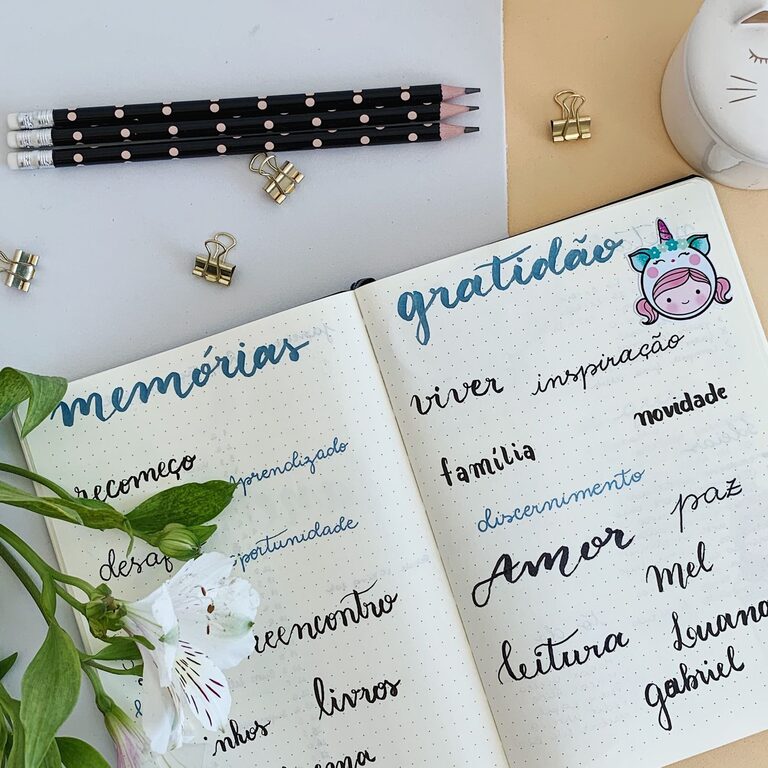
Starting a gratitude journal is a simple but powerful way to enhance your overall well-being and cultivate a positive outlook on life. By regularly noting the things you’re thankful for, you can shift your focus from stress and negativity to appreciating the good around you. If you’re new to gratitude journaling or unsure how to begin, this guide will walk you through the steps to get started and keep the habit going.
What Is a Gratitude Journal?
A gratitude journal is a personal diary where you write down things you feel grateful for. These can be big or small — anything from a kind gesture by a friend to a beautiful sunset or your morning cup of coffee. The goal is to build awareness of the positive aspects of your day, which can improve mood, reduce stress, and increase overall happiness.
Why Keep a Gratitude Journal?
Research shows that practicing gratitude regularly can have several benefits, including:
– Enhancing emotional well-being
– Improving sleep quality
– Strengthening relationships
– Reducing feelings of envy and resentment
– Increasing resilience during difficult times
Keeping a gratitude journal helps train your brain to notice and appreciate the good, making it easier to focus on positivity even during challenges.
How to Start Your Gratitude Journal
1. Choose Your Journal
Pick a notebook or journal that feels inviting and comfortable to you. It can be a simple lined notebook, a fancy journal, or even a digital app if you prefer typing. The key is to select something you’ll enjoy using regularly.
2. Pick a Time to Write
Decide on a consistent time to write each day. Many people find it helpful to journal either in the morning to set a positive tone for the day or at night to reflect on the day’s good moments. Choose what works best for your schedule.
3. Start Small
You don’t have to write long entries. Begin by listing 3 to 5 things you are grateful for each day. These can be specific events, people, experiences, or even qualities about yourself.
#### Examples:
– “I’m grateful for my coworker who helped me with a project today.”
– “I’m thankful for the warm sunshine during my walk.”
– “I appreciate having time to relax with a good book.”
4. Be Specific and Personal
Try to be detailed and focus on why you feel grateful, rather than just listing generic items. Specificity helps deepen your appreciation.
For example, instead of writing “I’m grateful for my family,” you might write, “I’m grateful for the encouraging phone call I had with my sister today.”
5. Include Different Types of Gratitude
Gratitude can extend beyond tangible things. Consider including:
– Acts of kindness (received or given)
– Personal strengths or achievements
– Lessons learned from challenges
– Moments of joy or peace
6. Reflect and Revisit
Periodically read back through your entries. This reflection can renew your appreciation and help you notice patterns or recurring blessings in your life.
Tips to Maintain Your Gratitude Journal Habit
– Set a reminder: Use a phone alarm or calendar alert to prompt journaling.
– Keep it accessible: Store your journal in a visible spot or keep it on your bedside table.
– Make it enjoyable: Use colored pens, stickers, or doodles if that makes the experience more fun.
– Don’t stress about perfection: There’s no right or wrong way to journal; it’s about what feels meaningful to you.
– Combine with other mindfulness practices: Pair journaling with meditation or deep breathing to enhance the positive effects.
What If You Miss a Day?
It’s normal to miss entries sometimes. Don’t worry or feel discouraged. Just pick up where you left off. The goal is consistency over time, not perfection.
Sample Gratitude Journal Prompts
If you’re unsure what to write, try these prompts:
– What made me smile today?
– What is one simple pleasure I enjoyed recently?
– Who is someone I appreciate, and why?
– What challenge helped me grow?
– What small success did I have today?
Using prompts can help keep your journaling fresh and engaging.
Final Thoughts
Starting a gratitude journal is an easy, accessible way to bring more positivity into your life. By dedicating just a few minutes each day to reflect on what you’re thankful for, you can nurture a happier mindset and improve your overall well-being. Remember, the most important step is to start — and enjoy the journey of discovering daily gratitude. Happy journaling!
About the Author