
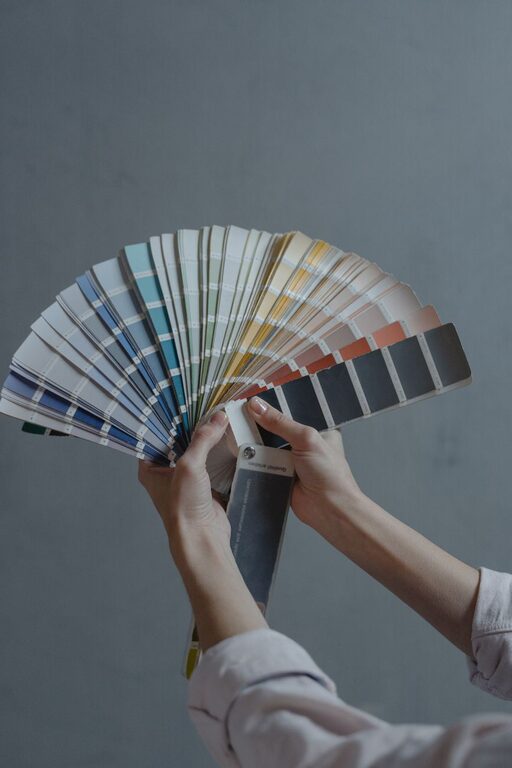
Creating a peaceful atmosphere in your home starts with the colors you choose for your walls, furniture, and decor. Calm colors can transform any space into a relaxing retreat, helping you unwind after a busy day. If you’re looking to refresh your home with soothing tones, here are some helpful tips for choosing calm colors that promote tranquility and comfort.
Why Choose Calm Colors for Your Home?
Calm colors typically have a soft, muted quality that helps reduce stress and create a welcoming environment. Unlike bright or highly saturated colors, calm hues are less stimulating and encourage relaxation. They are perfect for spaces where you spend a lot of time, such as bedrooms, living rooms, or reading nooks.
Popular Calm Color Families
Before you pick specific shades, it’s useful to know which color families tend to feel calm and soothing:
– Blues: Soft blues evoke a sense of serenity and openness, reminiscent of the sky or ocean.
– Greens: Gentle greens bring the feeling of nature indoors, promoting balance and restfulness.
– Neutrals: Warm grays, beiges, and creamy whites provide a clean, calming backdrop that complements many decor styles.
– Pastels: Light pastels like lavender, peach, or pale pink add subtle color without overwhelming the senses.
Tips for Choosing Calm Colors
1. Consider the Mood of Each Room
Different rooms may benefit from specific calm colors depending on their purpose:
– Bedrooms: Soft blues and greens encourage sleep and relaxation.
– Living Rooms: Warm neutrals or muted pastels create a welcoming space for socializing and downtime.
– Bathrooms: Light blues or seafoam greens can evoke a spa-like feel.
– Home Offices: Cool neutrals or subdued blues help improve focus without causing stress.
Think about how you want to feel in each space and choose colors accordingly.
2. Test Samples in Natural and Artificial Light
Colors often look different depending on lighting. Paint large swatches on your walls and observe them during the day and at night with your regular lighting. This helps you avoid surprises and ensures the color maintains its calm quality in every condition.
3. Choose Matte or Satin Finishes
Glossy finishes can reflect a lot of light and create a more energetic atmosphere. For calm colors, opt for matte or satin finishes, as they absorb light softly and add to the tranquil feel of the room.
4. Create a Cohesive Color Palette
To maintain calmness throughout your home, select a palette of harmonious colors that flow well together. You can use different shades of the same color family or combine neutrals with one or two accent colors. Avoid sharp contrasts or overly bright tones to keep the space unified and peaceful.
5. Balance Color with Texture and Lighting
Even the most calming color can feel flat if the room lacks texture or proper lighting. Incorporate soft textiles, natural materials like wood or stone, and varied lighting sources such as lamps with warm bulbs. These elements complement calm colors and enhance the overall relaxing vibe.
6. Use Color Psychology to Guide Your Choices
Certain colors have been shown to influence emotions:
– Blue: Encourages calmness and lowers heart rate.
– Green: Associated with nature and tranquility.
– Gray: Neutral and balanced, often used to create a peaceful environment.
– Lavender: Soft and soothing, promotes relaxation.
Understanding these effects can help you select colors that best match your desired mood.
7. Keep It Simple and Avoid Overdecorating
Calm colors work best in uncluttered spaces where the eye can rest. Pair your color choices with simple furnishings and minimal decor for a clean, serene atmosphere.
Final Thoughts
Choosing calm colors for your home is about creating a space where you feel at ease and comfortable. By understanding how colors impact mood, testing them carefully, and combining them thoughtfully with textures and lighting, you can design a home that truly feels like a relaxing sanctuary. Whether you prefer soft blues, gentle greens, or warm neutrals, the right calm colors can make a big difference in your everyday life.
Take your time experimenting and enjoy the process of making your home a place of peace and quiet.
About the Author